

In the fast-evolving landscape of decentralized finance, the pursuit of ultra-low latency for perpetual trading has remained a critical challenge. Traditional decentralized exchanges (DEXs) have often struggled to match the speed and efficiency of their centralized counterparts, largely due to inherent blockchain limitations. Hyperliquid-Style Perps stands out by delivering a high-frequency, low-latency trading experience that rivals even leading centralized exchanges, without sacrificing transparency or decentralization.
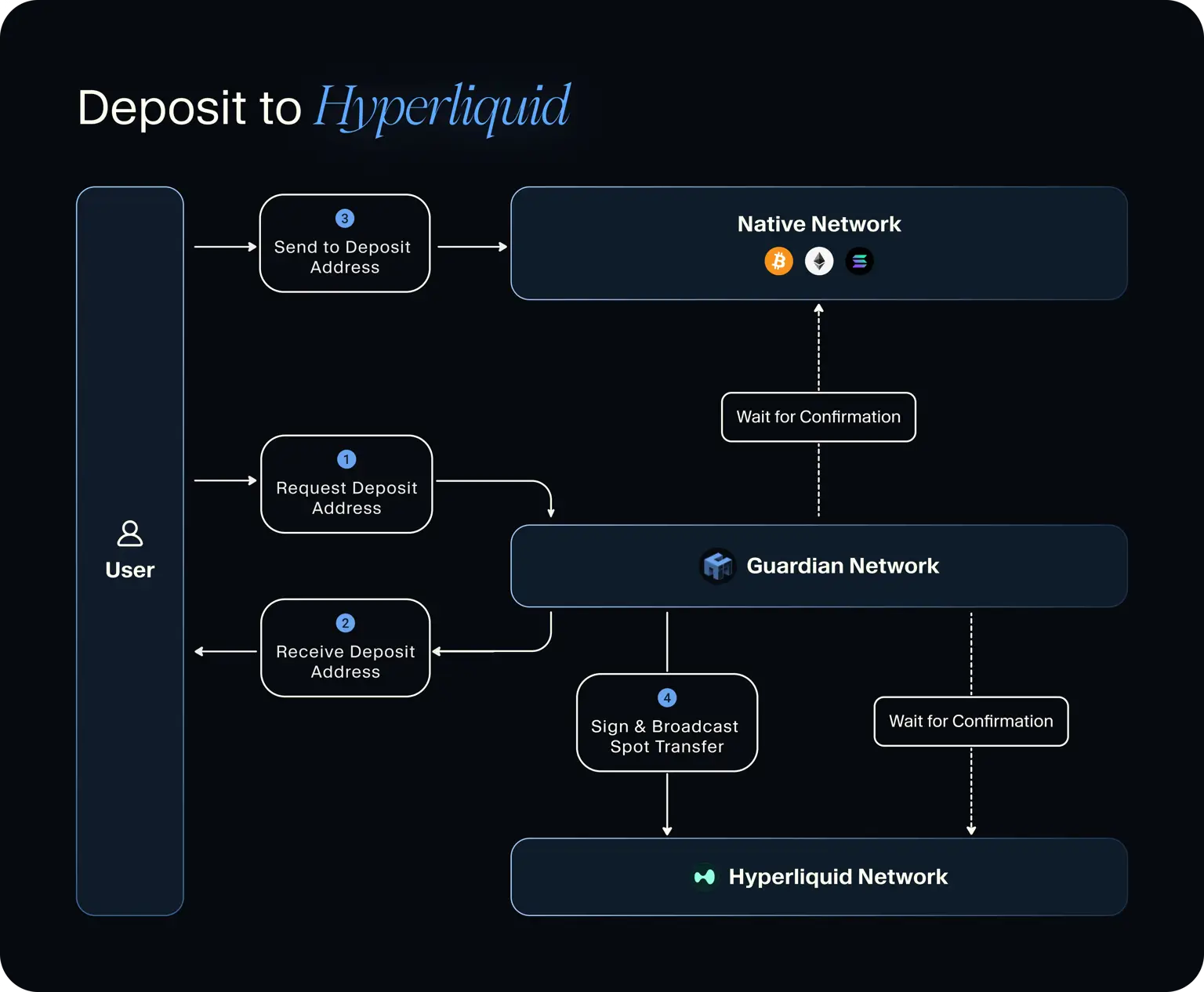
Custom Layer 1: The Foundation for Speed
The backbone of Hyperliquid-Style Perps is its purpose-built Layer 1 blockchain, powered by the HyperBFT consensus mechanism. Unlike most DEXs that rely on general-purpose chains such as Ethereum, Hyperliquid’s infrastructure is engineered specifically for high-speed trading. The platform achieves up to 100,000 transactions per second (TPS), with a median trade latency of just 0.2 seconds. This level of performance is not theoretical; it is consistently demonstrated under real-world trading conditions, setting a new industry benchmark for decentralized perpetual exchanges.
This remarkable throughput is made possible by a streamlined validator set, 16 validators running HyperBFT, which enables rapid block finality and minimizes network congestion. The result is an environment where traders can execute orders with speed and confidence, crucial for high-frequency strategies and professional market participants.
Fully On-Chain Order Book and Matching Engine
A key differentiator for Hyperliquid-Style Perps lies in its commitment to maintaining both the order book and matching engine fully on-chain. While many DEXs rely on off-chain components or hybrid models to enhance speed (often at the expense of transparency), Hyperliquid’s architecture ensures that every order, match, and execution is publicly verifiable on-chain. This approach not only reinforces trust but also allows users to independently audit all trades, an essential feature for institutional adoption in DeFi.
The technical sophistication required to run an on-chain order book at scale cannot be overstated. By leveraging its custom Layer 1 design and optimized consensus protocol, Hyperliquid overcomes traditional blockchain bottlenecks such as network latency and block propagation delays. As a result, it delivers a seamless user experience characterized by near-instant order placement and execution.
HyperEVM Integration: Smart Contracts Without Compromise
Beneath the surface, Hyperliquid integrates HyperEVM, an Ethereum-compatible virtual machine environment. This allows developers to deploy smart contracts and DeFi applications natively within the same ecosystem as the exchange’s core trading engine. For traders, this means access to advanced features such as automated strategies, custom margining systems, and composable DeFi protocols, all without introducing additional latency or fragmentation.
This unified architecture offers significant advantages over siloed solutions seen elsewhere in DeFi. By operating within a single, high-performance chain, Hyperliquid ensures that both trading logic and ancillary smart contracts benefit from consistent low-latency execution, a necessity for modern algorithmic strategies.
The Competitive Edge: Matching Centralized Exchange Performance
The combination of custom infrastructure, fully on-chain operations, and EVM compatibility enables Hyperliquid-Style Perps to offer what was once thought impossible in DeFi: a truly decentralized platform with centralized exchange-level speed. For traders seeking both efficiency and transparency, whether they are retail participants or institutions, this approach redefines what is achievable in decentralized perpetual markets.
If you’re interested in exploring more about how these innovations translate into practical benefits for traders, including deep liquidity pools, sub-second finality, and real-time risk management tools, consider reading our detailed analysis at this link.
Beyond technical prowess, the real-world impact of Hyperliquid-Style Perps is most evident in its ability to support high-frequency DeFi trading strategies at scale. With a median latency of 0.2 seconds and throughput up to 100,000 TPS, traders can confidently execute arbitrage, market making, and momentum strategies that previously required centralized infrastructure. This minimizes slippage and maximizes profit opportunities in volatile markets, an edge that is especially critical as competition intensifies among perpetual DEXs.
Transparency remains foundational. Every order and trade is immutably recorded on-chain, providing an auditable trail for all participants. This transparency not only fosters trust but also aligns with regulatory trends pushing for greater oversight in digital asset markets. Institutional traders, who have historically been wary of opaque execution venues, now have a verifiable path to participate in decentralized perpetual contracts without compromising on compliance or performance.
Deep Liquidity and Market Resilience
The platform’s architecture encourages robust liquidity provisioning by both retail and professional market makers. Deep liquidity is essential for maintaining tight spreads and reducing the risk of price manipulation, a persistent issue in thinly traded DeFi venues. Hyperliquid’s efficient settlement layer ensures that liquidity providers can update quotes and rebalance positions almost instantly, further stabilizing markets during periods of heightened volatility.
Moreover, the absence of gas fees for trading removes a significant friction point seen on legacy DEXs. This zero-fee model not only reduces costs for active traders but also incentivizes higher participation rates across global time zones. In aggregate, these factors contribute to a more resilient market structure capable of absorbing shocks without cascading failures or excessive price dislocations.
Unified User Experience: Security Without Sacrifice
The integration of HyperEVM within the same execution environment means that advanced DeFi tools, such as automated liquidators or hedging protocols, can interact directly with the core trading engine without introducing cross-chain risk or additional latency. Users retain full self-custody over their assets at all times, eliminating counterparty exposure that plagues centralized exchanges.
This seamless user experience is further enhanced by Hyperliquid’s intuitive interface and real-time analytics suite, empowering both novice and professional traders with actionable insights into order flow, liquidity depth, and risk metrics.
What Sets Hyperliquid Apart in 2025?
As perpetual DEX competition accelerates into 2025, Hyperliquid’s approach to low-latency decentralized trading stands out for its holistic design philosophy: custom Layer 1 infrastructure purpose-built for speed; fully on-chain order matching for transparency; EVM compatibility for composability; deep liquidity incentives; and user-centric features like zero gas fees.
For those seeking to maximize performance in decentralized perpetual markets, whether through algorithmic strategies or discretionary trading, the Hyperliquid-Style Perps model offers a compelling alternative to both legacy DEXs and traditional CEXs. The convergence of speed, transparency, and composability signals a new era where ultra-low latency is no longer exclusive to centralized venues.
To deepen your understanding of how these innovations empower high-frequency crypto traders while ensuring security and fairness at every step, explore our comprehensive guide at this resource.




No comments yet. Be the first to share your thoughts!