


Perpetual decentralized exchanges (DEXs) are rewriting the rules of crypto trading, and the numbers don’t lie. In September 2025, perpetual DEX trading volumes smashed through the $1 trillion mark, representing a staggering 48% month-over-month surge and now accounting for roughly 26% of global perpetual futures activity. This momentum is more than a passing trend, it’s a signal that DEX liquidity is not just catching up to centralized exchanges (CEXs), but in some cases, overtaking them where it matters most for DeFi traders.

Why Perpetual DEX Liquidity Is Surpassing CEXs
The rise of platforms like Hyperliquid is at the heart of this market shift. By March 2025, Hyperliquid alone captured nearly 59% of total perpetual contract trading volume, outpacing legacy CEXs in speed and depth for derivatives traders. What’s fueling this migration? It’s a combination of unmatched throughput, deep liquidity pools, and an interface that rivals the seamless experience once exclusive to CEXs.
But liquidity isn’t just about big numbers. In real-time decentralized trading, deep liquidity means tighter spreads, lower slippage, and confidence that your order will execute at your chosen price, even during periods of high volatility. As more professional traders adopt low-latency DEX platforms like Hyperliquid-Style Perps, they’re discovering that these venues can now deliver the execution quality they once sought from CEXs, without sacrificing custody or transparency.
What’s Driving This Liquidity Revolution?
The competitive edge for perpetual DEX liquidity comes down to three core innovations:
Top Innovations Driving Perpetual DEX Liquidity
-
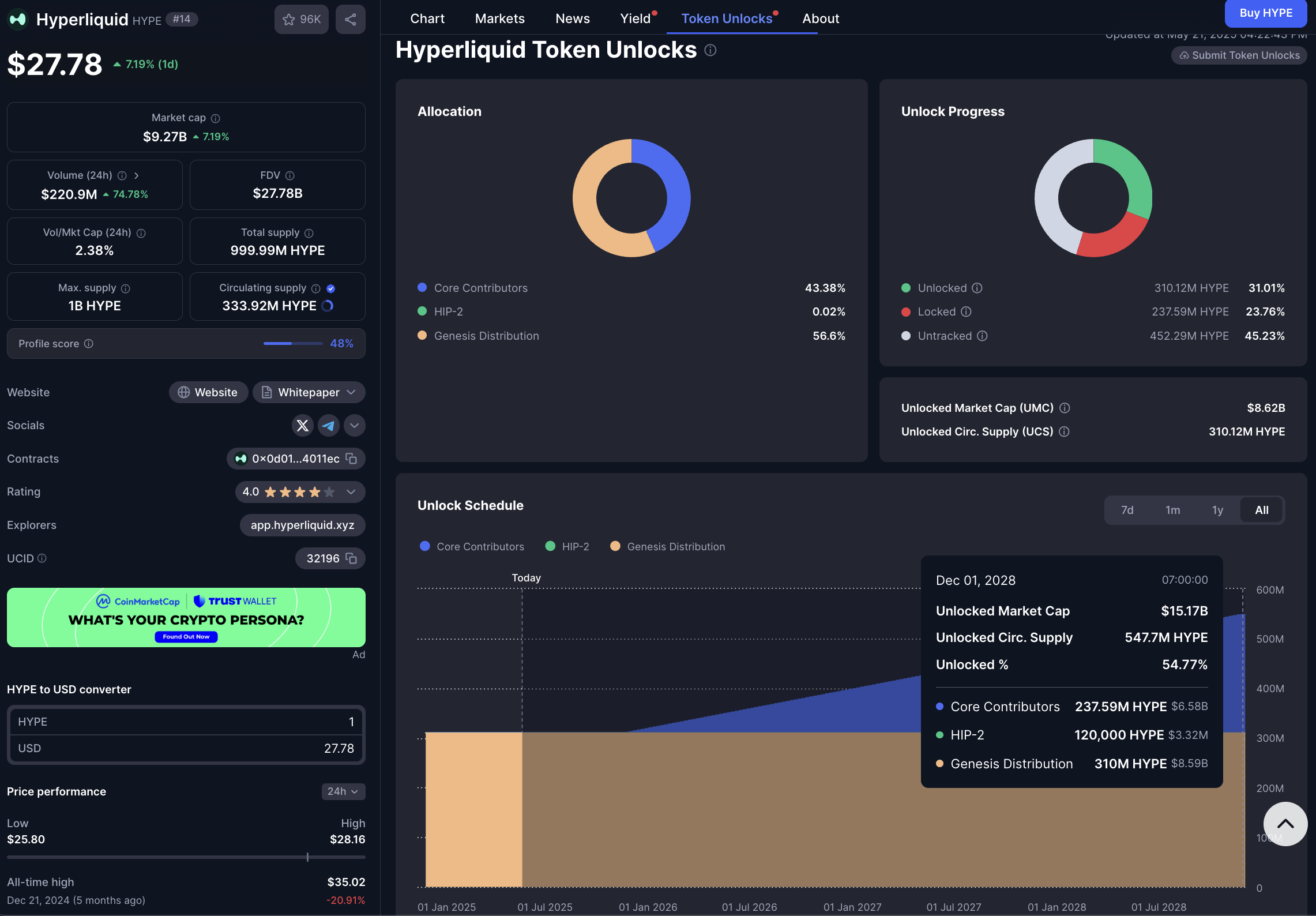
Onchain Order Books (e.g., Hyperliquid): Platforms like Hyperliquid have pioneered fully onchain order books, enabling CEX-level speed, deep liquidity, and real-time trade execution without intermediaries.
-

Zero-Knowledge Proofs for Privacy: Emerging perpetual DEXs are integrating zero-knowledge proofs to offer private trading while maintaining transparency, giving users greater control over their data.
-
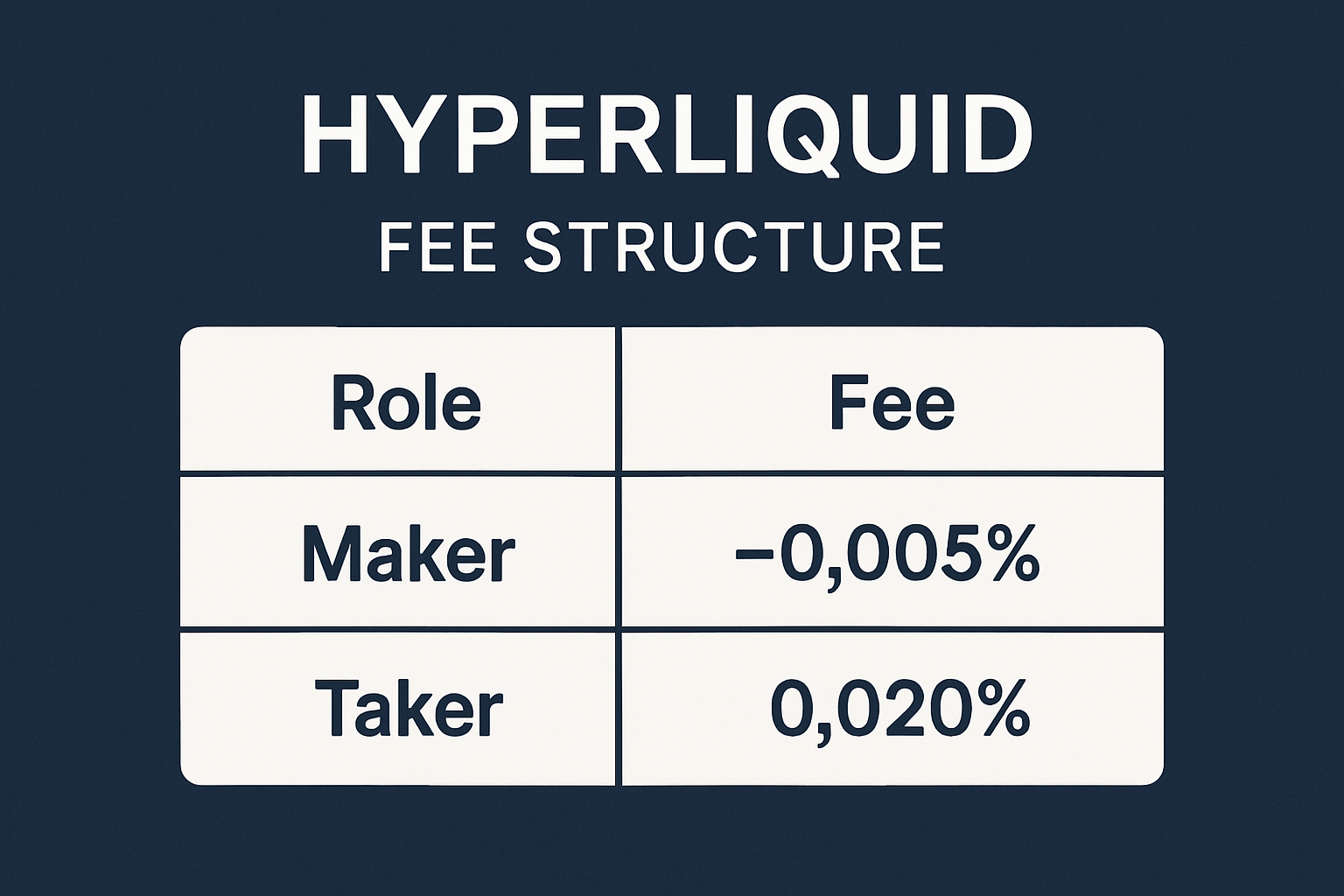
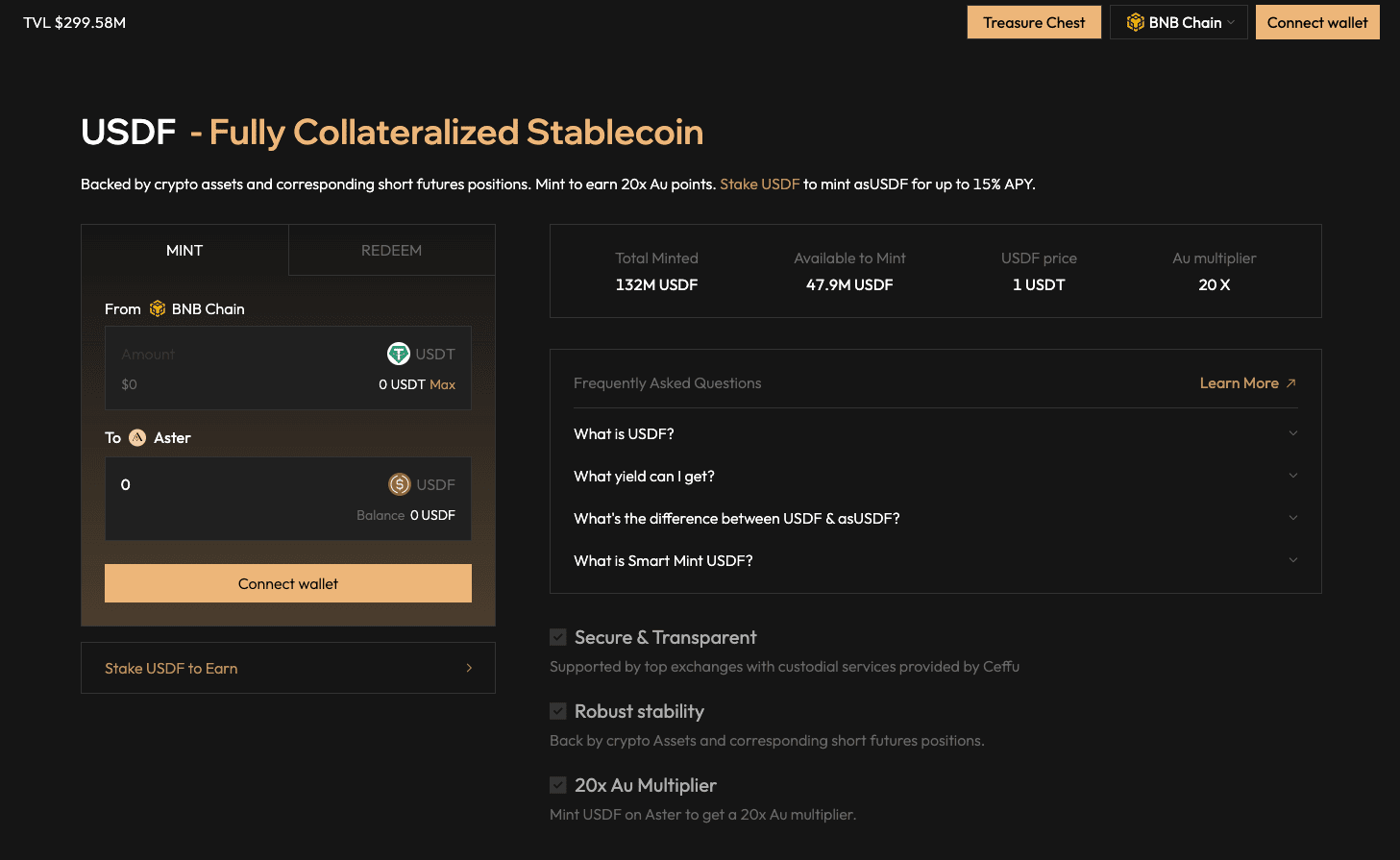
Sustainable Fee and Revenue Models: Platforms like Hyperliquid and Aster are implementing innovative fee structures that reward liquidity providers and align incentives, ensuring long-term liquidity depth.
-
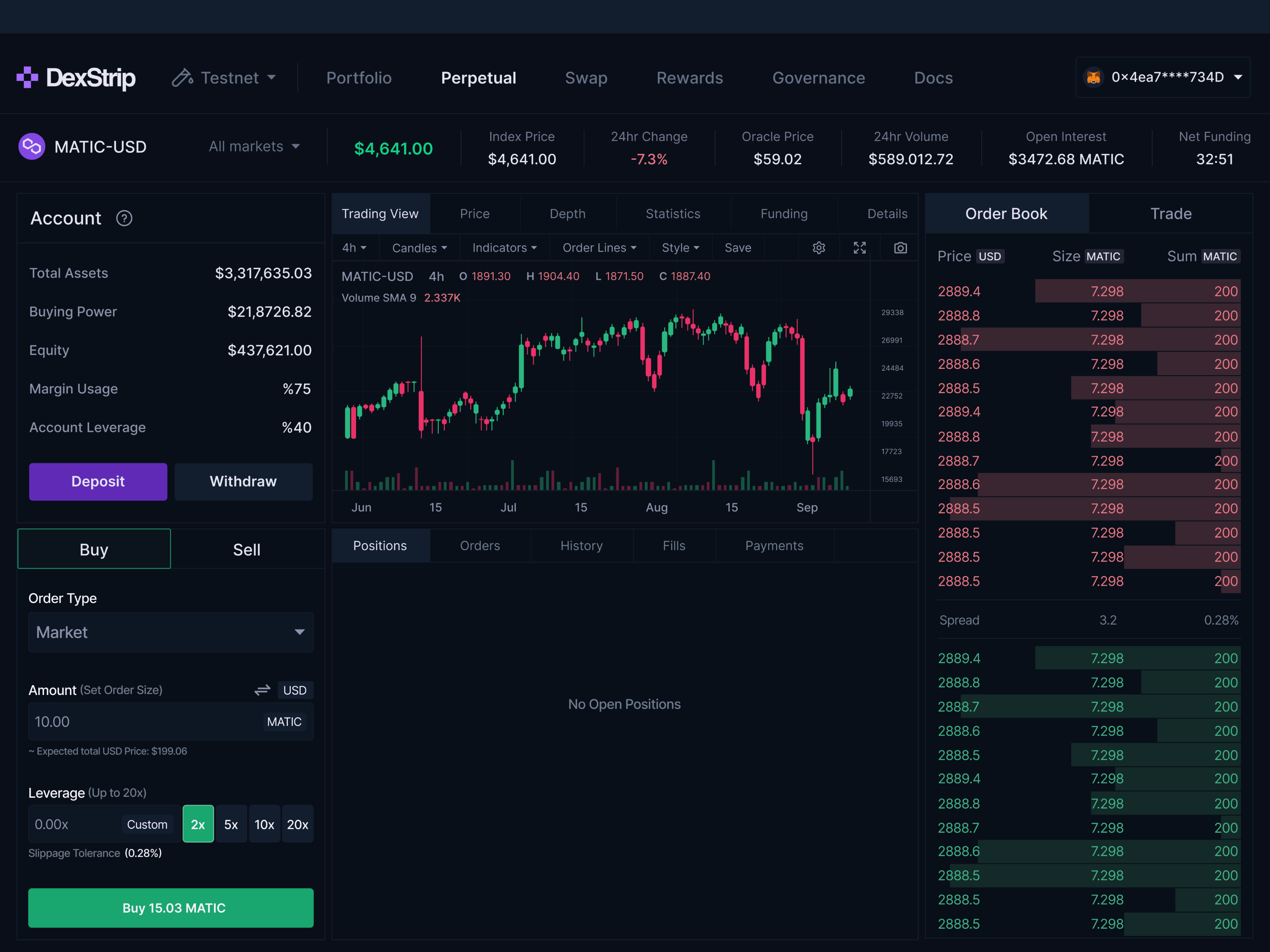
User-Intuitive, CEX-Like Interfaces: Modern DEXs now offer interfaces rivaling centralized exchanges, making advanced trading tools, analytics, and seamless onboarding accessible to all users.
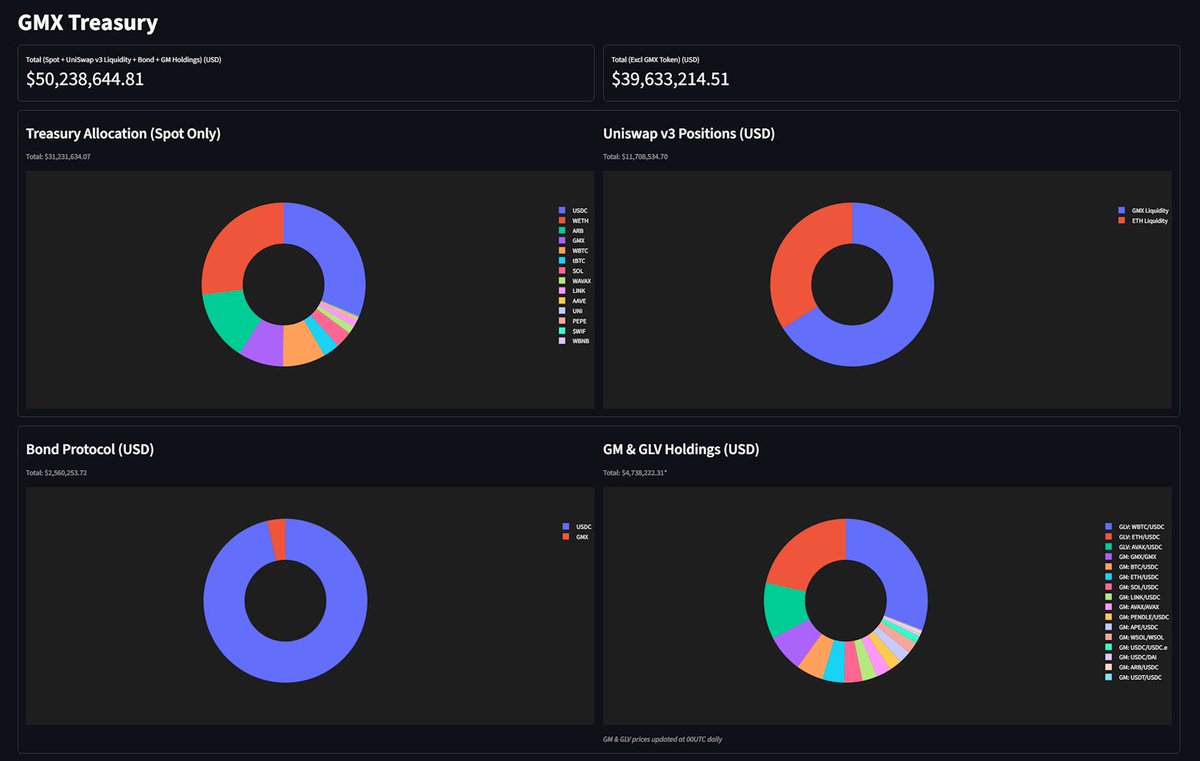
- Self-Custody: No more surrendering your keys or trusting third-party custodians. On modern DEXs, you trade directly from your wallet.
- No KYC Barriers: Many leading DEXs operate without intrusive Know Your Customer checks. This unlocks access for traders worldwide, especially those in regions underserved by traditional finance.
- CEX-Like Speed and UI: Platforms like Hyperliquid have closed the performance gap with centralized exchanges thanks to optimized smart contracts and intuitive interfaces built for pros.
This triple threat has real implications for DeFi traders looking to maximize opportunity while minimizing friction. For those who have felt locked out by slow on-chain execution or clunky interfaces in the past, today’s low-latency DEX options offer a compelling alternative.
The Shift: From Centralized Dominance to Decentralized Opportunity
CEXs still dominate spot markets, at their peak in January 2025 they claimed nearly 80% of total crypto trading volume according to ChainCatcher. But when it comes to perpetual contracts DeFi has emerged as a true contender. The shift is being driven by:
- Transparency: Every trade on a DEX is verifiable on-chain; no hidden order books or opaque pricing mechanisms.
- Global Inclusion: Anyone with an internet connection can access advanced derivatives markets, no bank account required.
- Sustainable Revenue Models: Protocol fees are distributed transparently among liquidity providers and protocol stakeholders rather than siphoned off by centralized operators.
This isn’t just theory, it’s playing out live as native perp DEXs like Hyperliquid rapidly eat into CEX market share in lucrative derivatives markets (source). The result? More choice and better terms for active traders ready to seize new opportunities in DeFi.
For those making the leap, the experience is transformative. The combination of real-time decentralized trading and deep perpetual DEX liquidity means you’re no longer at the mercy of centralized gatekeepers or sudden exchange shutdowns. Instead, you gain autonomy, transparency, and access to global markets around the clock. As perpetual contracts DeFi infrastructure matures, we’re seeing a new breed of trader who values not just speed and efficiency but also sovereignty over their assets.
How to Capitalize: Practical Strategies for DEX Traders
To take full advantage of this liquidity revolution, traders should focus on platforms that prioritize low-latency DEX performance and robust risk controls. Here’s how to get started:
Top Tips for Trading Perpetuals on DEXs
-
Choose High-Liquidity Platforms Like Hyperliquid: Platforms such as Hyperliquid now capture nearly 59% of perpetual contract trading volume (as of March 2025), offering deep liquidity and smoother trade execution. Prioritize DEXs with proven throughput and volume to minimize slippage and maximize order fills.
-

Leverage Self-Custody for Enhanced Security: Take advantage of DEXs’ self-custody features to retain full control of your assets. Use reputable wallets like MetaMask or Rabby Wallet to connect securely and manage your funds without third-party risk.
-
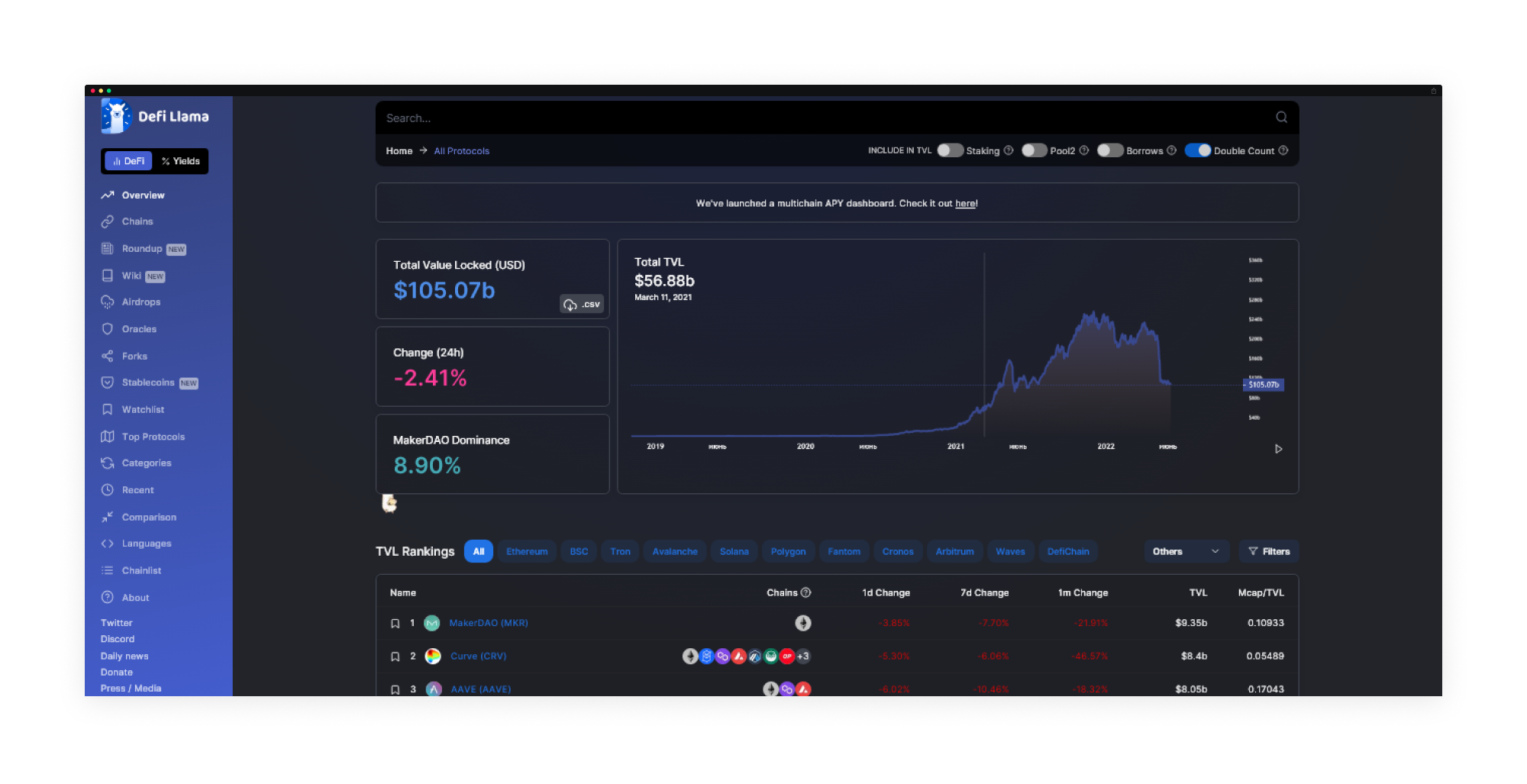
Monitor Smart Contract Risks and Platform Audits: Always check for recent, reputable smart contract audits before trading. Platforms like DeFiLlama Audits aggregate audit data—use these resources to verify platform security and reduce exposure to vulnerabilities.
-
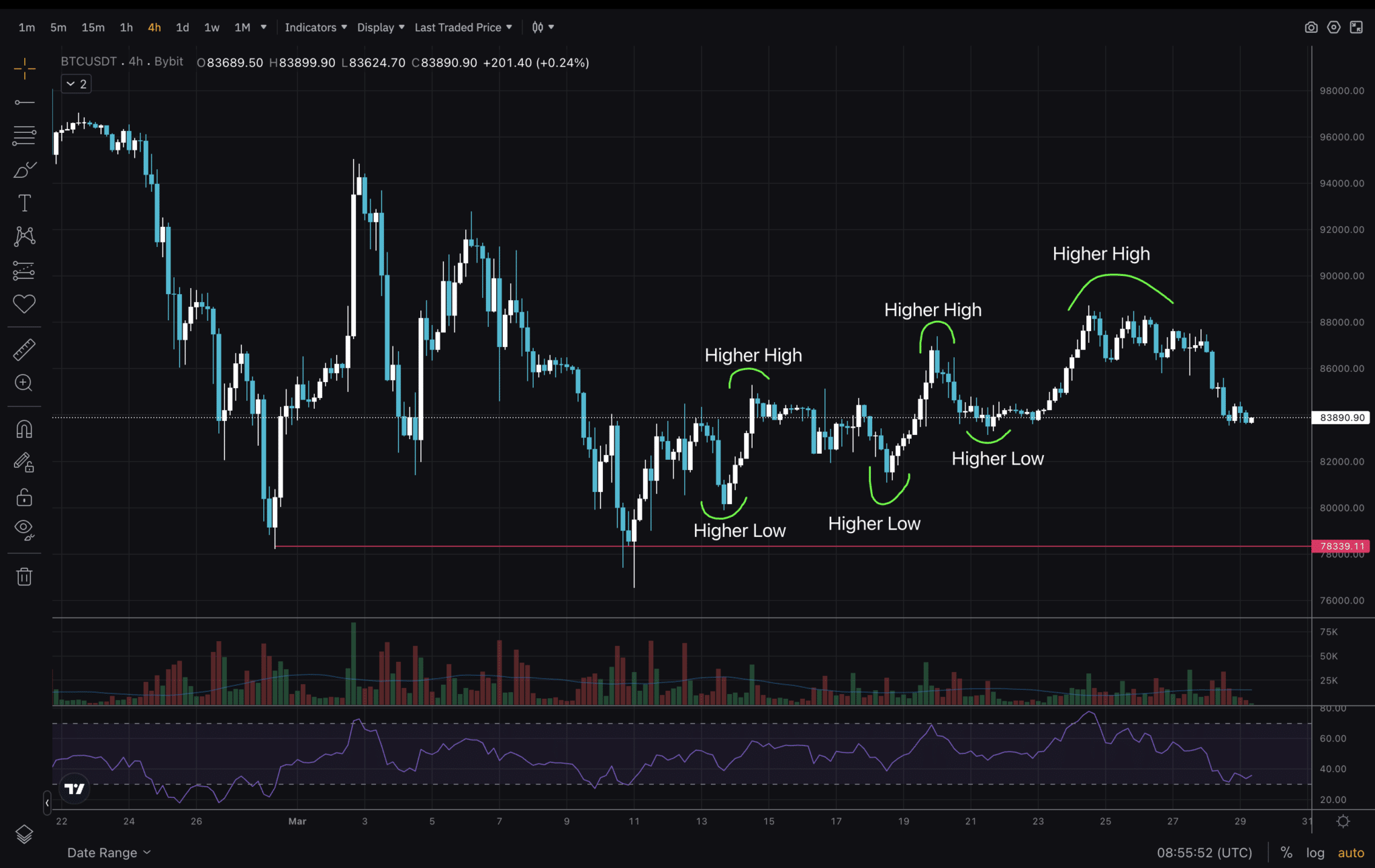
Stay Updated on Market Trends and Regulatory Changes: The perpetual DEX landscape is rapidly evolving. Follow trusted sources like ChainCatcher and CCN Crypto News for the latest trading volumes, platform updates, and regulatory developments.
- Choose Proven Platforms: Stick with established venues like Hyperliquid-Style Perps that have demonstrated consistent volume and security.
- Monitor On-Chain Liquidity: Use analytics tools to track liquidity depth and spot emerging pools with tight spreads.
- Practice Risk Management: Volatility in DeFi can be extreme; always set stop losses and size positions appropriately.
- Leverage Advanced Order Types: Take advantage of limit orders or TWAP strategies available on modern DEXs for better execution.
The landscape is evolving fast. Staying nimble and informed is key for anyone seeking an edge in today’s market.
What’s Next: The Road Ahead for Perpetual DEX Liquidity
The numbers speak volumes, perpetual DEXs are no longer playing catch-up; they’re setting new standards. With $1 trillion in monthly trading volume as of September 2025, platforms like Hyperliquid are proving that decentralized models can match or surpass CEXs where it matters most: execution quality, accessibility, and user empowerment.
This momentum isn’t just about technology; it’s about philosophy. As more traders embrace self-custody, privacy, and open access, expect further innovation in smart contract design, cross-chain liquidity aggregation, and risk management tools tailored specifically for the DeFi derivatives ecosystem.
If you’re a trader looking to future-proof your strategy, and tap into deeper liquidity pools without sacrificing control, the time to explore low-latency DEX platforms is now. The opportunity is here for those willing to adapt quickly and learn by doing. In this new era of crypto trading, agility isn’t just an advantage, it’s a necessity.
About the Author